The Scent of Rain on Stone — Free Adult Bedtime Story

Mind racing? Shuffli uses a clinically studied technique — one word at a time.
The Scent of Rain on Stone
The City Awakens
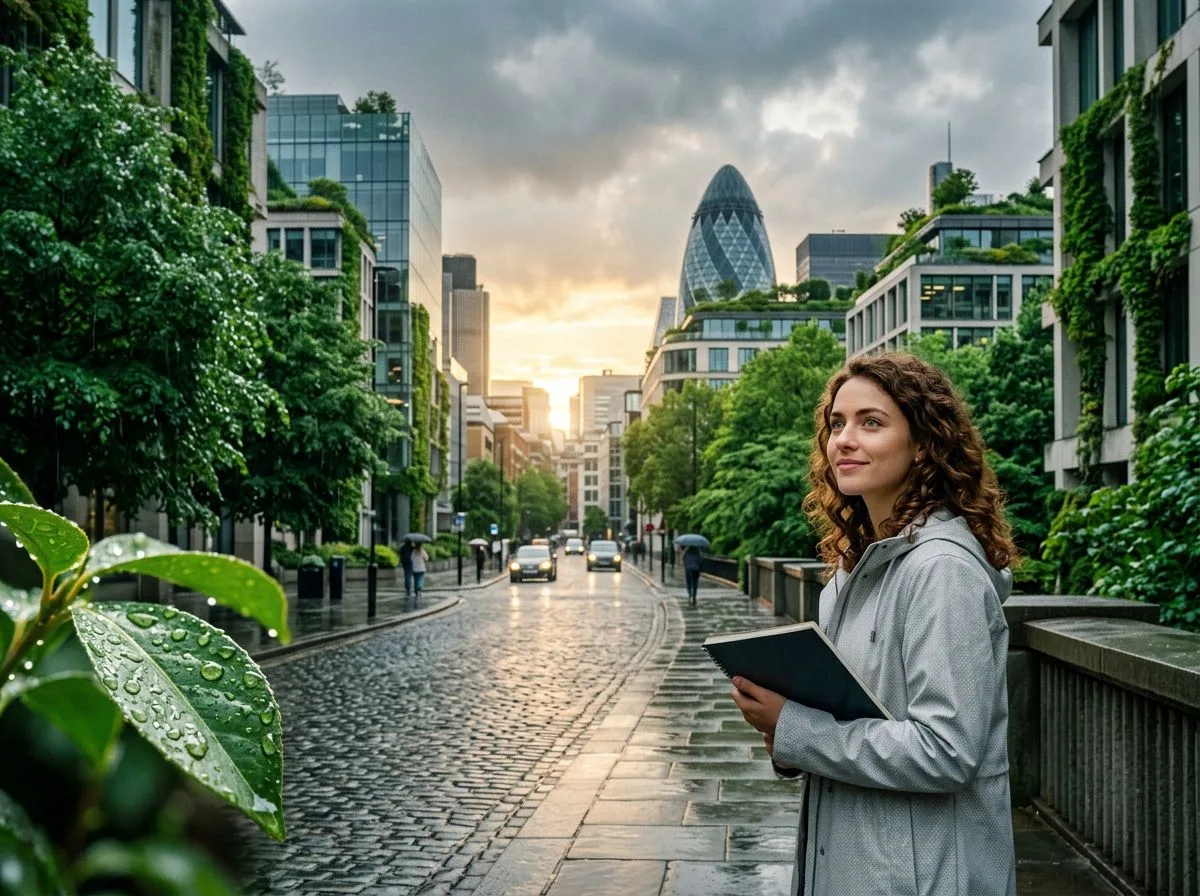
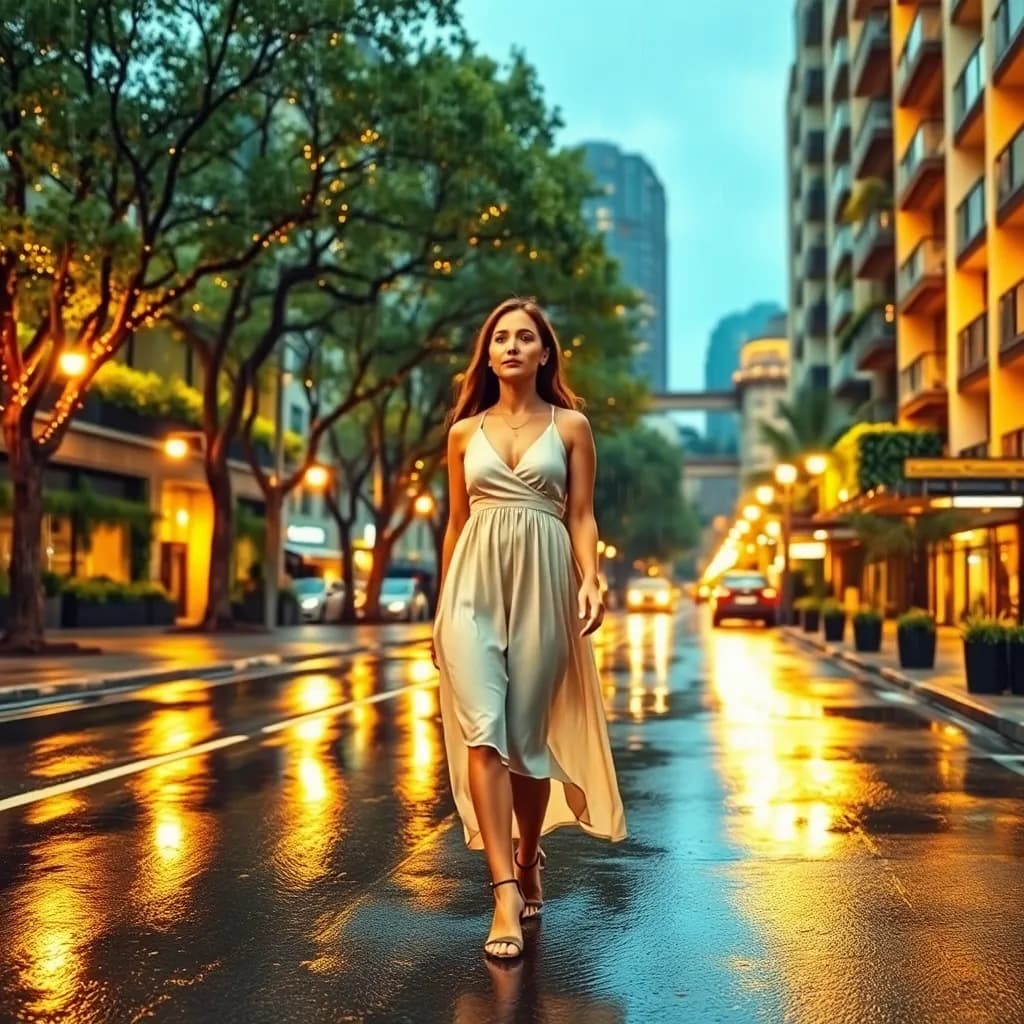
As the rain began to subside, the city stirred from its slumber, awakening to a world washed anew. The air was thick with the earthy aroma of damp stone, a scent that seemed to rise from the very heart of the city itself. Each droplet that clung to the leaves of the trees lining the streets shimmered like tiny jewels, reflecting the soft glow of the streetlights. The once-muted colors of the urban landscape now burst forth, vibrant and alive, as if the rain had coaxed them from their hiding places.
She stepped out onto the slick pavement, her shoes making a soft squelch with each step. The sound of water trickling through the gutters created a gentle symphony, a soothing backdrop to the bustling life around her. People emerged from their homes, shaking off the remnants of the storm, their faces illuminated with a sense of renewal. Laughter and conversation filled the air, mingling with the lingering scent of rain, creating a tapestry of urban life that felt both familiar and extraordinary.
In this moment, she felt a profound connection to the city and its inhabitants. The rain had washed away not just the dust of the day, but also the barriers that often separated people from their environment. It was a reminder that nature and urban life could coexist, each enhancing the beauty of the other. Inspired, she envisioned buildings that would not only shelter but also invite nature in—structures adorned with green walls, rooftop gardens, and rainwater harvesting systems that would celebrate the very essence of the rain that had just fallen.
As she walked, her mind danced with ideas, each one more vibrant than the last. The city was alive, and so was her imagination, fueled by the simple yet profound beauty of the world around her.
Whispers of Rain
The whispers of rain lingered in the air, a gentle reminder of the storm that had just passed. She paused at a small park, where the trees swayed lightly, their leaves glistening with the remnants of the downpour. The sound of water dripping from branches created a rhythmic melody, a soothing counterpoint to the distant hum of the city. Here, in this pocket of green amidst the concrete, she felt a sense of tranquility wash over her, as if the very essence of nature was inviting her to listen more closely.
As she wandered deeper into the park, the scent of wet earth enveloped her, grounding her thoughts. Each step on the soft, damp grass felt like a connection to something greater, a reminder of the delicate balance between the built environment and the natural world. She closed her eyes for a moment, allowing the sounds and scents to wash over her, envisioning how she could weave these elements into her architectural designs.
The idea of incorporating water features into her buildings began to take shape in her mind. She imagined tranquil ponds reflecting the sky, their surfaces rippling gently with the touch of a breeze. She envisioned rain gardens that would not only manage stormwater but also serve as vibrant habitats for local wildlife. Each concept blossomed like the flowers that had begun to bloom in the aftermath of the rain, vibrant and full of life.
In this serene moment, she understood that architecture was not merely about creating structures; it was about fostering connections—between people and their environment, between the urban and the natural. The whispers of rain had ignited a spark within her, a call to create spaces that would resonate with the beauty of the world outside, inviting nature to dance alongside the city.
A Moment of Clarity
As she continued her stroll through the park, a moment of clarity washed over her like the gentle rain that had just graced the city. The interplay of light and shadow, the vibrant greens of the foliage, and the soft, rhythmic sounds of nature coalesced into a vision that felt both profound and attainable. She realized that her role as an architect extended beyond the mere creation of buildings; it was about crafting experiences that resonated with the soul of the city and its inhabitants.
In that moment, she understood that every structure she designed could serve as a bridge between the urban landscape and the natural world. The buildings could breathe, exhaling life into the concrete jungle, inviting the essence of nature to permeate the lives of those who inhabited them. She envisioned spaces where sunlight filtered through leaves, where the laughter of children echoed against the backdrop of rustling branches, and where the scent of rain on stone became a cherished memory for all who passed through.
The clarity she felt was not just about aesthetics; it was a deeper understanding of sustainability and harmony. She envisioned materials that echoed the earth’s palette—warm woods, cool stones, and living walls that would change with the seasons. Each design would be a testament to the beauty of coexistence, a reminder that urban life could thrive alongside nature, rather than in opposition to it.
With each step, her heart swelled with purpose. The city was not merely a backdrop for her work; it was a living entity, deserving of respect and care. Inspired by the whispers of rain and the vibrant life around her, she felt ready to embark on a journey of innovation, one that would redefine the relationship between architecture and the natural world.
Nature's Palette
As she ventured further into the park, the vibrant hues of nature unfolded before her like a painter's palette, each color a brushstroke of inspiration. The deep greens of the leaves contrasted beautifully with the soft browns of the tree trunks, while splashes of wildflowers added bursts of yellow, purple, and red to the landscape. It was a reminder that nature was not just a backdrop; it was an artist, crafting a masterpiece that changed with the seasons and the weather.
She knelt beside a cluster of delicate daisies, their petals glistening with droplets of rain. The simplicity of their beauty struck her, and she began to envision how these colors could translate into her designs. The warm tones of the earth could be mirrored in the materials she chose, while the vibrant shades of flowers could inspire the accents and details of her buildings. Each element of nature could find its way into her work, creating a harmonious dialogue between the structures and the environment.
The sound of a nearby fountain drew her attention, its water cascading over smooth stones, creating a soothing rhythm that echoed the heartbeat of the city. She imagined incorporating similar features into her designs—water elements that would not only serve a functional purpose but also provide a sensory experience, inviting people to pause and reflect amidst their busy lives.
In this moment, she felt a profound sense of gratitude for the natural world, recognizing it as a source of endless inspiration. Nature's palette was rich and varied, offering a wealth of ideas that could transform her vision into reality. With each breath, she absorbed the beauty around her, ready to infuse her architectural creations with the essence of the world that had so deeply inspired her.
The Dance of Water
The gentle sound of water continued to weave its way through her thoughts, a melodic reminder of the dance that nature performed with every drop that fell. As she stood by the fountain, entranced by the way the water sparkled in the soft light, she envisioned how this element could be integrated into her architectural designs. Water was not merely a resource; it was a vital force that could bring life and movement to her creations, a dynamic partner in the dance of urban existence.
She imagined buildings that would embrace water, allowing it to flow freely through their spaces. Rooftop gardens could be adorned with rainwater collection systems, channeling the very essence of the storms that nourished the earth. Water features could become focal points in public squares, inviting people to gather, reflect, and connect with one another. The sound of trickling water could serve as a soothing backdrop to the hustle and bustle of city life, a reminder of the natural rhythms that persisted even amidst the concrete.
In her mind's eye, she saw pathways lined with small streams, their banks lush with native plants that would thrive in the urban environment. These waterways would not only manage stormwater but also create habitats for birds and butterflies, inviting wildlife back into the heart of the city. The dance of water would become a celebration of life, a testament to the beauty of coexistence between the built and the natural.
As she continued to absorb the sights and sounds around her, she felt a renewed sense of purpose. The dance of water was a call to action, urging her to create spaces that would honor the delicate balance of nature and nurture the spirit of the city. With each idea that blossomed in her mind, she felt more equipped to embark on her journey, ready to transform her vision into a reality that would resonate with the heartbeat of the world.
Blueprints of Harmony
With the echoes of water still dancing in her mind, she found herself seated on a weathered bench, sketchbook in hand, ready to translate her visions into tangible blueprints. The park around her buzzed with life, children laughing, couples strolling hand in hand, and the gentle rustle of leaves whispering secrets of the earth. Each sound, each sight, fueled her creativity, urging her to capture the essence of this harmony in her designs.
As she began to draw, her pencil glided across the page, sketching not just buildings, but entire ecosystems. She envisioned structures that would rise like trees, their facades adorned with living walls that would change with the seasons, echoing the vibrant palette of nature. Rooftops would be transformed into lush gardens, where residents could cultivate their own herbs and flowers, fostering a sense of community and connection to the earth.
In her mind, the blueprints took shape, each line representing a promise to the city and its inhabitants. She imagined open spaces where people could gather, shaded by the canopies of trees, with pathways that meandered like streams, guiding visitors through a landscape that felt both familiar and extraordinary. Water features would be integrated seamlessly, their gentle sounds inviting moments of reflection amidst the urban hustle.
This was not merely architecture; it was a vision of coexistence, a blueprint of harmony that celebrated the relationship between the built environment and the natural world. With each stroke of her pencil, she felt a deep sense of responsibility to honor this connection, to create spaces that would nurture the spirit of the city and its people, allowing them to thrive in a world where nature and urban life danced together in perfect rhythm.
Concrete and Canopy
As she continued to sketch, the interplay of concrete and canopy began to take form in her mind. She envisioned a city where the stark lines of modern architecture met the soft curves of nature, creating a dialogue that spoke of balance and beauty. The buildings would rise like sentinels, their facades adorned with greenery that cascaded down like a living tapestry, softening the harshness of the urban landscape.
In her designs, she imagined wide terraces that would serve as extensions of the natural world, where residents could step out into gardens filled with fragrant herbs and vibrant flowers. These spaces would not only provide a refuge from the bustling streets below but also foster a sense of community, inviting neighbors to gather and share in the beauty of their surroundings. The concrete structures would be interwoven with nature, creating a seamless transition between the built environment and the lush greenery that enveloped it.
The concept of vertical gardens began to take root in her sketches, where walls would bloom with life, filtering the air and providing habitats for birds and insects. She envisioned rainwater systems that would nourish these gardens, capturing the essence of the storms that graced the city, transforming them into a resource rather than a burden. Each drop of rain would be celebrated, a reminder of the delicate balance that existed between the urban and the natural.
As she drew, the cityscape transformed into a sanctuary, a place where concrete and canopy coexisted in harmony. The sound of laughter and the rustle of leaves became the soundtrack of her vision, a testament to the beauty that could emerge when architecture embraced the essence of nature. With each stroke of her pencil, she felt the pulse of the city, a vibrant heartbeat that resonated with the promise of a future where urban life thrived alongside the natural world.
The Heart of Sustainability
In the heart of her vision, sustainability emerged as a guiding principle, a thread woven through every design and concept. She understood that true innovation lay not just in aesthetics but in the responsibility to create spaces that honored the earth and its resources. The buildings she envisioned would be more than mere structures; they would be living entities, capable of adapting to their environment and nurturing the life around them.
As she sketched, she considered the materials that would form the backbone of her designs. Reclaimed wood, recycled metals, and locally sourced stone would take center stage, each element telling a story of renewal and respect for the planet. She imagined walls that could breathe, constructed with materials that would regulate temperature naturally, reducing the need for artificial heating and cooling. The very essence of sustainability would be embedded in the fabric of her creations, a commitment to minimizing the ecological footprint of urban living.
The integration of renewable energy sources became a focal point in her designs. Solar panels would adorn rooftops, harnessing the sun’s energy to power the buildings, while wind turbines could be discreetly incorporated into the architecture, generating clean energy without disrupting the urban landscape. She envisioned a network of green spaces that would not only beautify the city but also serve as vital ecosystems, filtering air and providing habitats for wildlife.
In this moment of clarity, she recognized that sustainability was not a trend; it was a necessity. It was a call to action, urging her to create a legacy that would inspire future generations to cherish and protect the natural world. With each stroke of her pencil, she felt the weight of this responsibility, ready to embrace the challenge of designing a city that would thrive in harmony with nature, a testament to the beauty of sustainable living.
Echoes of Inspiration
As the sun began to dip below the horizon, casting a warm golden hue over the city, she felt the echoes of inspiration reverberate within her. The day’s experiences had woven themselves into a rich tapestry of ideas, each thread a reminder of the beauty that surrounded her. The vibrant colors of the park, the gentle sounds of water, and the scent of rain on stone had all conspired to awaken her creative spirit, urging her to embrace the possibilities that lay ahead.
In this tranquil moment, she reflected on the stories that each element of nature had to tell. The trees, with their steadfast presence, whispered tales of resilience and growth, while the flowers danced in the breeze, celebrating the joy of life. The water, ever-flowing and adaptable, reminded her of the importance of flexibility in her designs, urging her to create spaces that could evolve with the changing needs of the city and its inhabitants.
With each breath, she absorbed the essence of the world around her, allowing it to fuel her imagination. The echoes of inspiration resonated deeply, guiding her thoughts toward the future she envisioned—a future where architecture would not only serve as shelter but also as a celebration of life itself. She imagined buildings that would invite people to connect with one another and with nature, fostering a sense of community that transcended the boundaries of urban living.
As the first stars began to twinkle in the evening sky, she felt a renewed sense of purpose. The echoes of inspiration had transformed into a symphony of ideas, each note a promise to herself and to the city she loved. With her heart full of hope and determination, she knew that she was ready to embark on this journey, to create a legacy that would honor the delicate balance between the built environment and the natural world.
Bridging Worlds
As twilight deepened, she found herself standing at the edge of the park, gazing out at the city skyline that rose like a jagged silhouette against the fading light. The buildings, with their sharp angles and reflective glass, seemed to pulse with life, yet she felt a yearning for a deeper connection between these man-made structures and the natural world that surrounded them. It was a moment of realization: architecture could serve as a bridge, linking the vibrancy of urban life with the serenity of nature.
In her mind, she envisioned pathways that would weave through the city, connecting parks, gardens, and green spaces like veins of life coursing through the concrete. These pathways would invite pedestrians to explore, to wander, and to discover the beauty that lay just beyond the bustling streets. She imagined art installations that celebrated the natural world, sculptures that echoed the forms of trees and flowers, and murals that depicted the changing seasons, each piece a reminder of the beauty that existed outside the confines of urbanity.
The idea of community gardens began to take root in her thoughts, spaces where residents could come together to cultivate not just plants, but relationships. These gardens would serve as sanctuaries, places where the city’s inhabitants could reconnect with the earth, learn about sustainable practices, and share in the joy of nurturing life. She envisioned workshops held under the shade of trees, where people could gather to learn about the importance of biodiversity and the role they could play in preserving it.
In this vision, the city transformed into a living organism, each building and green space working in harmony to create a vibrant ecosystem. The bridge between the urban and the natural was not just a physical connection; it was a philosophy, a commitment to fostering a sense of belonging and stewardship for the world around them. With each idea that blossomed in her mind, she felt the weight of possibility, ready to embark on a journey that would redefine the relationship between architecture and nature.
A Vision Realized
As dawn broke over the city, the first rays of sunlight spilled across the skyline, illuminating the fruits of her labor. The buildings she had envisioned were no longer mere sketches on paper; they had transformed into vibrant structures that breathed life into the urban landscape. Each edifice stood as a testament to her commitment to harmonizing architecture with nature, a realization of the vision that had taken root in her heart during that summer rainstorm.
The rooftops, adorned with lush gardens, flourished under the sun, their greenery cascading down the sides like a living tapestry. Residents tended to their plants, cultivating not just herbs and flowers, but a sense of community that thrived in the shared spaces. The pathways she had imagined wound through the city, inviting pedestrians to explore the interconnected parks and gardens, where laughter and conversation mingled with the gentle rustle of leaves.
Water features, once a mere concept, now danced through the heart of the city, their soothing sounds creating a symphony that echoed the rhythm of life. Children splashed joyfully in shallow pools, while adults found solace on benches nestled among the greenery, pausing to reflect amidst the bustle of urban existence. The air was fragrant with the scent of blooming flowers and damp earth, a reminder of the delicate balance they had achieved.
In this moment, she felt a profound sense of fulfillment. The city had become a living organism, a vibrant ecosystem where nature and architecture coexisted in perfect harmony. Her vision had been realized, not just in the structures that rose around her, but in the spirit of connection and stewardship that now defined the urban experience. With each passing day, she knew they were nurturing a legacy that would inspire future generations to cherish and protect the beauty of their world.
The Future in Bloom
As the seasons turned, the city continued to flourish, a testament to the vision that had taken root in the hearts of its inhabitants. The once-bustling streets now thrived with life, where the laughter of children mingled with the gentle rustle of leaves, creating a harmonious symphony that echoed through the urban landscape. Each day, the community gathered in the gardens, sharing stories and cultivating not just plants, but a deep sense of belonging that transcended the boundaries of their diverse backgrounds.
The buildings, adorned with vibrant greenery, stood as beacons of sustainability, their living walls changing with the seasons, reflecting the beauty of nature’s cycles. In spring, blossoms erupted in a riot of colors, while summer brought forth lush foliage that provided shade and respite from the sun. Autumn painted the city in warm hues of gold and crimson, and winter transformed the rooftops into serene white landscapes, each season a reminder of the delicate balance they had achieved.
The pathways that wove through the city became arteries of connection, inviting exploration and discovery. Art installations dotted the landscape, celebrating the natural world and inspiring conversations about the importance of preserving it. Workshops flourished in the community gardens, where residents learned about sustainable practices, fostering a culture of stewardship that resonated deeply within the hearts of all who participated.
In this vibrant tapestry of life, she saw the future in bloom—a future where architecture and nature danced together in perfect harmony, nurturing not just the city, but the souls of its people. With each passing day, the legacy of their shared vision grew stronger, a promise that the beauty of the natural world would forever be intertwined with the spirit of urban living.
This story has an open ending!
The author has left this story open-ended, inviting you to imagine your own continuation. What do you think happens next? Let your imagination wander and create your own ending to this tale.
Here's one possible continuation...
As the city continues to thrive, a new challenge arises: a proposal for a high-rise building threatens to disrupt the delicate balance between urban life and nature. The protagonist must rally the community to protect their vision and find a way to integrate the new development with the existing harmony.